Why Your Mulcher Teeth Need Replacement to Maintain Efficiency
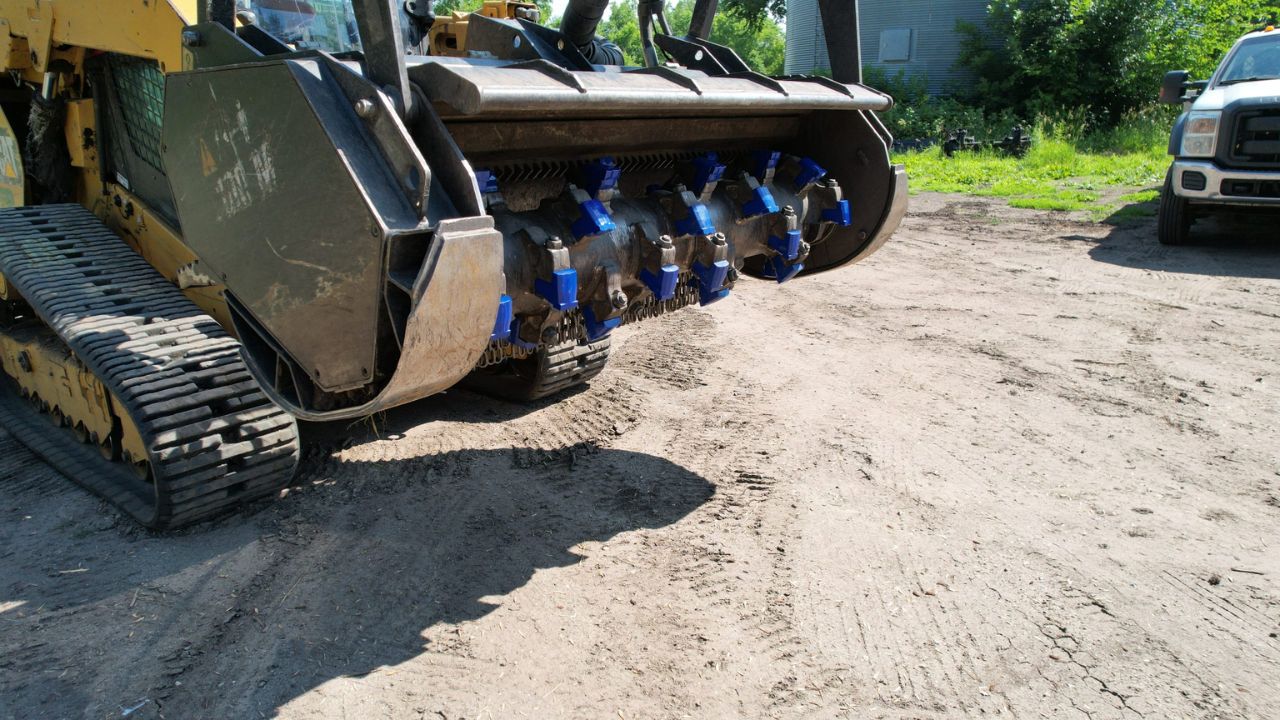
Mulcher teeth are critical to the effectiveness and efficiency of forestry and land clearing machinery. They are small but strong elements that cut, grind, and process vegetation to manageable material. Mulcher teeth wear out over a period of time due to the continuous exposure to hard environments, rough materials, and heavy loads of work. This wear, when neglected, may greatly diminish the performance of the machine and raise the costs of operation. Knowledge of the reasons why the Mulcher Teeth Need Replacement should be timely can ensure the efficiency remains consistent and proper operation of the equipment.
The Role of Mulcher Teeth in Equipment Performance
The dominant cutting components are the mulcher teeth, which are the components that engage directly with the wood, brush, and soil. Their cutting efficiency and their structural integrity determine the efficiency of a machine in processing material. In the case of teeth that are in good condition, the teeth enable the mulcher to cut easily, stay fast, and give a consistent output.
When the teeth start to wear or get damaged, the machine will not be able to work properly. Not only does this slow down operations, but it also makes the quality of the finished mulch inferior. This is because the proper functioning of teeth is important in keeping the equipment operating at its optimum.
Impact of Worn Teeth on Efficiency
Direct impact of worn mulcher teeth on the overall efficiency of the machine. This results in more fuel use and extended working hours, and eventually increases the working costs. Moreover, poor cutting may lead to poor or partial processing of materials. This could involve doing the same area over and over again, further decreasing productivity. There is also the strain that is exerted on the machine as it attempts to counter the decreased cutting ability that can hasten the wear of other parts.
Increased Mechanical Stress and Equipment Strain
In cases where the mulcher teeth are not working, the whole machine must work harder. The rotating components, hydraulic system, and engine have to apply more force in order to produce the required results. This additional workload may cause overheating, excessive vibration, and accelerated wear of vital components.
With time, the mechanical failures may result because of the added strain, which are much more costly to repair than just a replacement of worn teeth.
Safety Risks Associated with Delayed Replacement
Driving machinery with old or broken mulcher teeth may also pose safety risks. Chipped/ broken teeth can fall off during the operation, and this can be life-threatening to the operator and other employees. Uncontrolled vibration due to uneven wear may decrease the stability of the machines, and it becomes difficult to control them. This not only raises the chances of accidents but also endangers the equipment around and the job site at large with a high risk of destruction.
Factors That Accelerate Tooth Wear
The rate of wear of mulcher teeth depends on a number of factors. The nature of the material being processed is a major factor since thick hardwood, stumps, and rocky land can speed up wear. The lifespan of the teeth also depends on the operating conditions, including speed and load.
They may also be subjected to improper maintenance practices, which will reduce their life span. The lack of regular inspection, cleaning, or sharpening of the teeth can lead to the emergence of small problems into big ones. Being aware of these factors aids the operators in making informed decisions on the time to replace them.
Benefits of Timely Replacement
There are a number of benefits in replacing mulcher teeth at the right time. It rejuvenates the cutting efficiency, enabling the machine to work more smoothly and faster. Better performance also minimizes fuel usage and wear on other components.
Quick replacement guarantees a steady quality of output, particularly critical when it comes to professional forestry and land management works. It also decreases the risk of sudden failures, and it assists in keeping productivity and preventing expensive delays.
Conclusion
Replacement and frequent inspection of mulcher teeth are crucial in ensuring they remain at their best and avoid expensive problems. Operators can achieve a smoother operation, stable cutting quality, and minimal risk of unexpected changes in the machine by dealing with wear early and adhering to proper maintenance practices. Properly maintained teeth also enhance the stability and safety of machines, particularly in harsh working conditions. Overall, replacing worn mulcher teeth at the right time is a simple yet crucial step in extending equipment lifespan, minimizing downtime, and ensuring reliable performance.