The Real Melting Point of Steel: Everything You Need to Know
Steel is one of the strongest, most durable, and most reliable materials in the construction and manufacturing industry. It is one of the most used materials. When one talks of the melting point of steel, the assumption that the melting point of steel is a single temperature would be normal. As a matter of fact, steel does not melt at a particular point. The reason is that steel is not a pure metal. It is produced by mixing iron with other components, which alter its characteristics. Consequently, the steel melting temperature is different, depending on the type of steel in use. Generally speaking, steel takes a great deal of heat before it melts into a liquid.
Why Steel Does Not Have a Single Melting Point
The fact that steel melts at varying temperatures is because of the materials that are used to make it. The iron is combined with other substances that enhance the strength, durability, and resistance to damage in order to produce steel. These additional contents cause some slight variation in the manner in which the metal conducts on heating. Some of these composites are more common in certain steels than others. That is why different steels react differently to heat. The composition is not the same, and hence, it does not have one melting point that she can apply to all of the types of steel.
Different Types of Steel Melt Differently
The types of steel that are utilized in various ways are numerous, and each type responds to heat differently. There are steels that are used in buildings and everyday structures, and others are used in tools or equipment that have to endure extreme conditions. One can also find varieties of steel that are resistant to rust and corrosion. Since each of the varieties contains a different blend of ingredients, they do not have precisely the same melting points. Nevertheless, they are all very high heat-demanding.
Why Melting Temperature Matters in Manufacturing
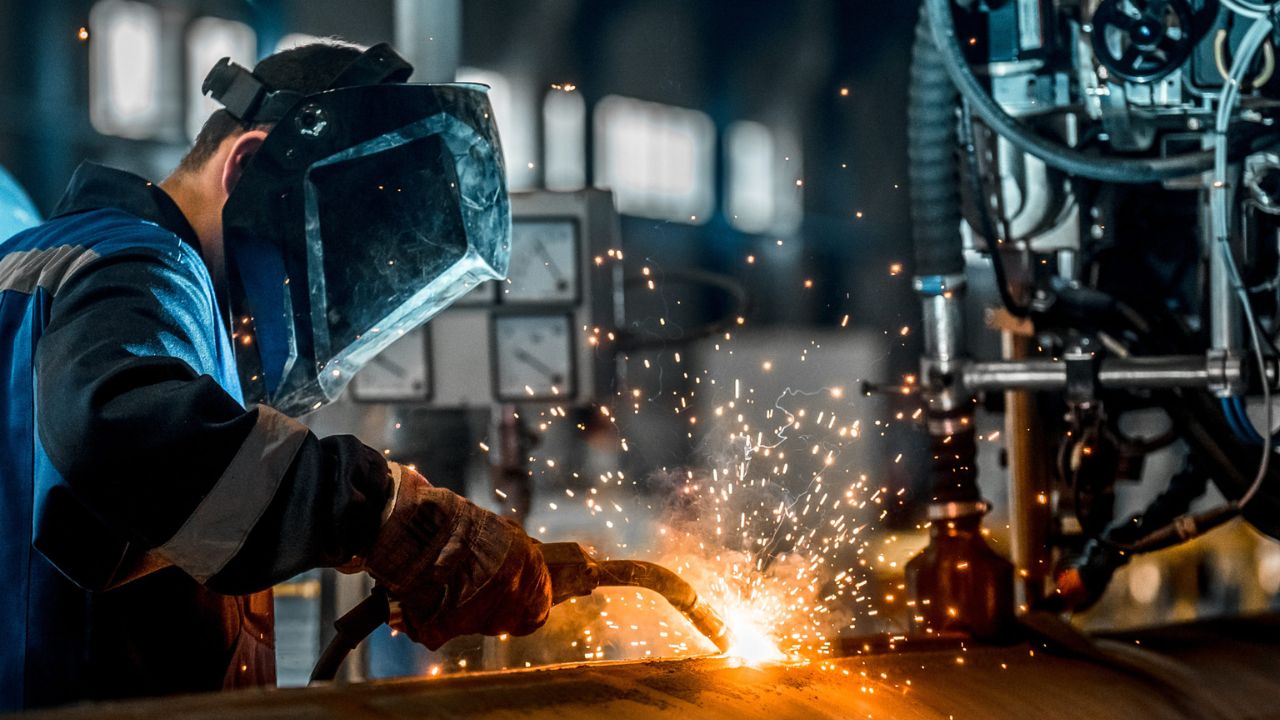
Knowledge of the behavior of steel to heat is significant in most industries. The workers who shape, join, or cut steel should manage the heat during their work. The metal may be damaged or lose its desired shape if it gets too hot. Failure to heat it sufficiently would mean that it is too hard to bend or join to other components. Temperature control of steel products can be done to guarantee that the products are strong and reliable during the manufacturing process. This information is particularly relevant in the construction of machines, buildings, or any other tools that need to be in place for many years.
Steel Becomes Weak Before It Melts
The other factor that is noteworthy about steel is that it does not require melting to become weaker. The more the steel becomes hot, the more gradually it starts losing its strength. Although the metal might appear solid, it is possible to soften and bend it. This implies that the steel construction that is subjected to extremely high temperatures can begin to sink or lose its contour even prior to the melting of the metal. Due to this, engineers have to take into consideration heat exposure during the construction of buildings, equipment, and other structures that are made of steel.
How Steel Is Melted in Industry
The process of melting steel consumes extremely high-power equipment since the temperatures required are very high. The large factories have special furnaces that are capable of producing a lot of heat. These furnaces have the capacity to melt a large amount of metal so that it can be remodeled into new products. In most instances, old steel materials are melted and reused to produce new ones. The process will enable the recycling of steel, and it can be used over and over again without degradation.
Importance of Understanding Steel’s Heat Behavior
The behavior of steel around heat is vital to anyone who handles this material. Since construction workers and welders can also be engineers and manufacturers, knowledge of the behavior of steel under high temperatures can help avoid the possibility of damage and increase safety. With the effects of heat appropriately taken into account, steel structures and products can also be relied upon to deliver in demanding environments. The same knowledge also assists industries to make harder materials, fewer expensive errors, and to have steel remain a reliable base of the contemporary infrastructure and manufacturing.
Conclusion
The actual melting point of steel is not one temperature, but it is a range and depends on the type of steel and materials used to produce it. Due to the fact that steel is a blend of various elements, each type reacts to the presence of heat slightly differently. The only thing that is unchanging is that steel takes enormous heat to melt. The knowledge of the behavior of steel in the presence of heat aids manufacturers, engineers, and builders to use it safely and efficiently in numerous ways that allow it to be used worldwide.