Step-by-Step ECU Programming: Tips for Automotive Technicians
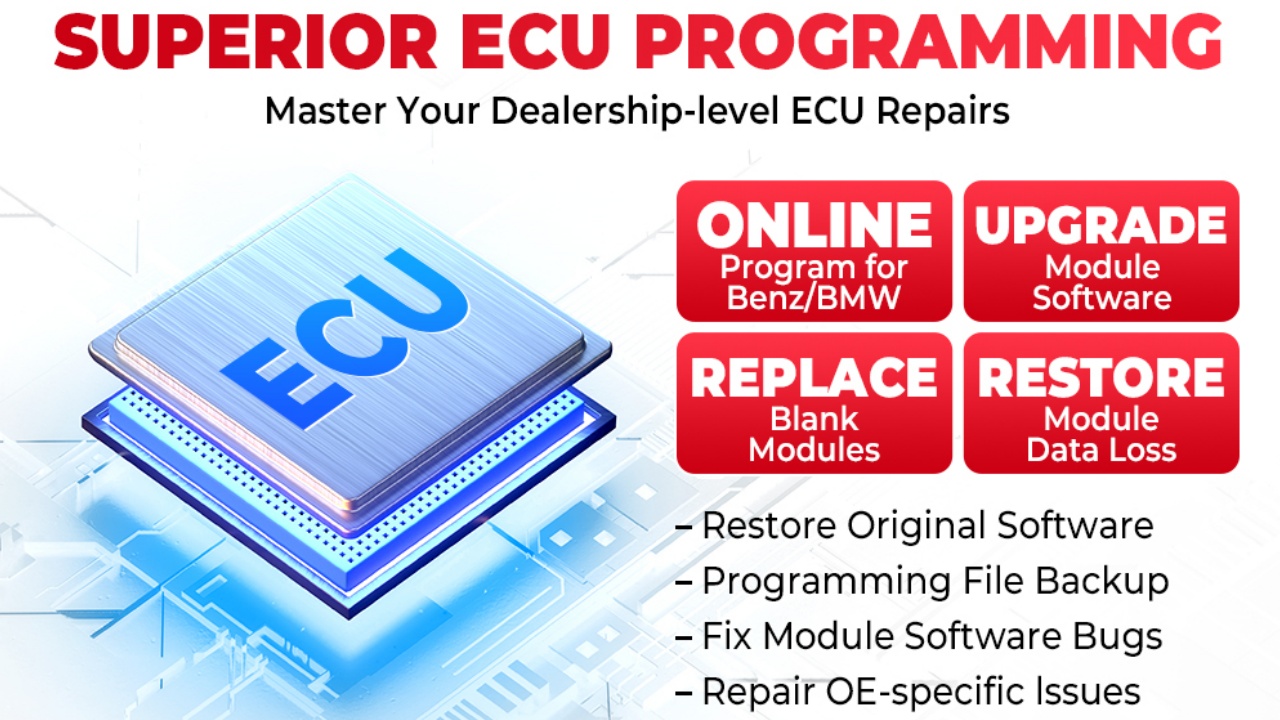
Modern automotive maintenance and performance tuning is based on the programming of the Engine Control Unit (ECU). With the more advanced nature of vehicles, the ECU serves as the brain of the car, controlling the fuel injection and the timing of ignition, and other more sophisticated systems that are driver-assistance. Correct programming also results in optimum vehicle performance, safety, and efficiency, and therefore, automotive technicians must be very accurate and cautious when undertaking engine ecu programming.
Understanding the Basics of ECU Programming
The technicians should know the basic functionality of the ECU before any actual programming commences. It is an electronic system that controls and monitors the functions of the main engine. Using the ECU, it is possible to tune engine parameters. It is to improve fuel efficiency, power output, and overall driveability. However, all these changes must be implemented carefully because, no matter the consequences of poor code implementation, the engine will shut down, or the system will fail.
Preparing for ECU Programming
Successful ECU programming requires preparation. The initial measure is to make sure that the tools and software match the make and model of the vehicle. The technicians must be equipped with quality diagnostic tools, including LAUNCH, AUTEL, or OTOFIX systems, which offer secure channels of interaction with the ECU. It should also have a reliable power supply because any interference during the programming process will corrupt an ECU and may require an expensive repair.
It is also important to make a complete replica of the original data in the ECU. This measure will enable the car to be returned to factory configurations when there are problems in programming. The level of the vehicle battery is also a point that technicians need to check, and all electronic parts must be in proper operation before starting the process.
Connecting and Accessing the ECU
After the preparations have been made, the technicians can then attach the programming device to the OBD-II port of the vehicle. The software can communicate with the ECU using this connection. It is necessary to establish this connection properly because loose connections or improper settings may interfere with the programming process. To install the ECU properly and prevent the use of incorrect models and versions, technicians should pay attention to the instructions given by manufacturers to choose the right one.
Performing the Programming Process
The programming software could be started with the ECU connected. This is commonly started by reading the existing ECU setup to ensure system integrity. The technicians can further go on to revise or amend the ECU parameters to the intended performance or compliance standards. The process has to be monitored strictly without interference or mistakes, which may ruin the ECU.
The technicians are supposed to be guided by a systematic order during programming, and the software will have to finish the step before moving on. Any warnings or prompts shown by the system should be thoroughly examined and dealt with to ensure a safe and foreseeable result. Programming may take some minutes depending on the car and the magnitude of the modifications.
Testing and Verifying the ECU
Once the vehicle is programmed, it should be tested. The initial step that technicians must conduct is a stationary diagnostic check in order to ensure that everything is functioning properly. After this is confirmed, a controlled test drive may be conducted to identify the performance of the vehicle under real conditions. This stage assists in making sure that there is a performance increase without causing new problems. The abnormalities noticed in the test must be rectified at the earliest stage, and corrections must be made where possible.
Adhering to Industry Standards
ECU programming as a profession should be oriented to the standards and rules in the industry. Compliance means that the alterations will not affect the safety, emissions, or warranties of a vehicle. By keeping up with the current software version and ECU tuning methods, technicians can deliver reliable and high-quality service, but not at the expense of expensive errors.
Conclusion
ECU programming is an art and a science. Knowing the work of the ECU, having a thorough preparation, following very strict steps, and controlling the outcomes, the automotive technicians will be able to increase the performance of the vehicle and not neglect the reliability and safety at the same time. With the technology on the rise, ECU programming will always remain one of the critical skills, since technicians must not only be knowledgeable about the technical aspect, but also be keen to detail in order to satisfy the requirements of the current type of vehicles.